The Quiet Confidence of Being Covered: A Comprehensive Guide to Auto and Motor Insurance
There is a distinct sense of tranquility that comes from settling into the driver’s seat, starting the engine, and setting out on an open road. Whether it is a quiet morning commute as the sun crests the horizon or a weekend drive through winding countryside roads, driving offers a unique blend of freedom and rhythm. Yet, amid this peaceful routine, the road remains a shared and inherently unpredictable space. Even the most careful and experienced drivers cannot control the weather, the road conditions, or the actions of others.
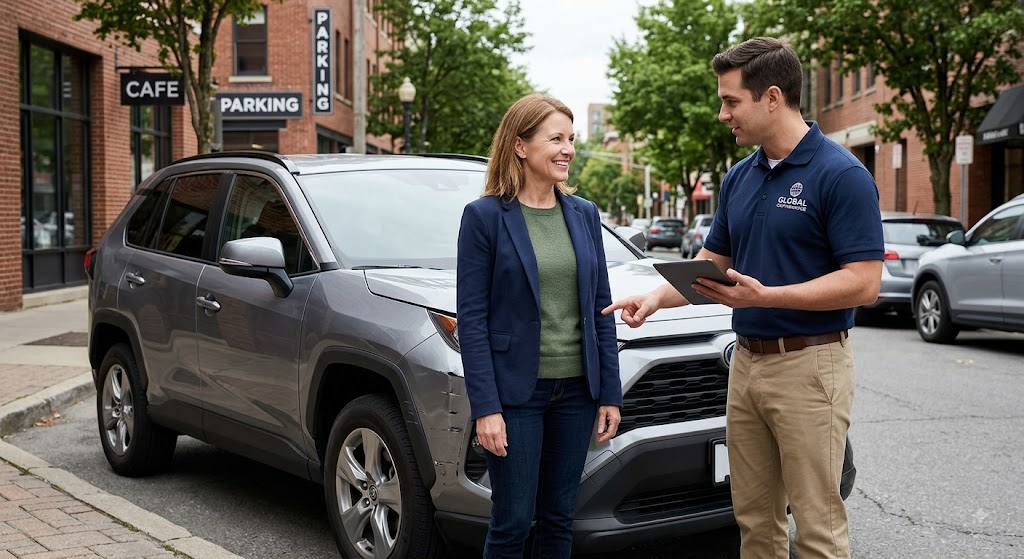
This is where auto and motor insurance enters the picture, not as a burdensome requirement, but as a silent, steadfast companion. It is a financial safety net woven together to catch us when the unexpected occurs. At its absolute core, motor insurance is designed to do two vital things: cover the physical damage to your vehicle and shield you from liability for traffic collisions.
Understanding your auto insurance policy should not be a stressful endeavor filled with confusing jargon and fine print. By breaking down the coverage into clear, human terms, you can navigate your choices with clarity and calm. Let us gently unpack the layers of auto insurance, exploring how it protects your vehicle, your financial well-being, and your peace of mind.
Understanding the Foundation: The Dual Pillars of Auto Insurance
When you look at an auto insurance policy, it is easy to become overwhelmed by the various line items, numbers, and legal phrasing. However, if you strip away the complexities, the foundation of almost every auto policy rests on two main pillars: physical damage coverage and liability coverage.
Think of these two pillars as looking inward and looking outward. Physical damage coverage looks inward; it is focused entirely on the vehicle you own and drive. It ensures that if your car is harmed, you have a pathway to repair or replace it without draining your personal savings. Liability coverage, on the other hand, looks outward. It is concerned with the damage you might unintentionally cause to others—whether that is another person’s vehicle, public property, or their physical well-being.
By balancing these two elements, an auto insurance policy creates a comprehensive bubble of protection around your daily journeys. You are protecting the machine that moves you, while simultaneously taking responsibility for the environment and people around you.
Looking Inward: Physical Damage to Vehicles
Physical damage coverage is what most people picture when they think about auto insurance. It is the part of the policy that promises to fix a dented bumper, replace a shattered windshield, or compensate you if your vehicle is deemed a total loss. This pillar is generally divided into two distinct categories: Collision and Comprehensive coverage. While they are often grouped together, they serve very different purposes.
The Role of Collision Coverage
As the name gently implies, collision coverage steps in when your vehicle collides with another object. This could mean a traffic accident involving another car, but it also extends to a variety of other scenarios. If you were to misjudge a turn and scrape your vehicle against a guardrail, back into a stubborn mailbox, or hit a deep pothole that damages your suspension, collision coverage is designed to help.
The comforting aspect of collision coverage is that it generally applies regardless of who is at fault. If you make an honest mistake on the road that results in damage to your own car, this coverage ensures you are not left entirely on your own to foot the repair bill. It simply looks at the damage, applies your pre-selected deductible, and helps cover the rest to restore your vehicle to its pre-accident condition.
The Scope of Comprehensive Coverage
While collision covers the impacts of driving, comprehensive coverage handles almost everything else. Sometimes referred to as “other than collision” coverage, this handles the unpredictable events that happen to your car, often when you are not even driving it.
Nature can be unpredictable. A heavy hailstorm can leave a car heavily dented, a large branch might fall on your roof during a windy afternoon, or a deer might suddenly cross a quiet country road at dusk. Comprehensive coverage catches these unexpected moments. It also protects you against human-caused perils that are outside your control, such as theft or vandalism. Knowing that your vehicle is protected while it sits quietly in your driveway or a parking lot provides a profound sense of security.
Looking Outward: Navigating Liability for Traffic Collisions
While physical damage coverage repairs your car, liability coverage protects something much more significant: your financial future. If you are found to be at fault in a traffic collision, you are legally responsible for the harm caused to others. Without liability insurance, those costs would have to come out of your own pocket, potentially putting your savings, your home, and your future earnings at risk.
Liability insurance is the buffer between an honest mistake on the road and a life-altering financial burden. It is generally broken down into two distinct parts: Bodily Injury Liability and Property Damage Liability.
The Compassion of Bodily Injury Liability
If an accident results in injuries to the driver or passengers of another vehicle, or to a pedestrian, Bodily Injury Liability is the coverage that responds. Medical care can be astonishingly expensive, and the costs following an accident can escalate rapidly.
This coverage helps pay for the injured party’s medical bills, from emergency room visits and hospital stays to physical therapy and rehabilitation. Importantly, it can also cover lost wages if the injured person is unable to work while they recover. In the unfortunate event that the injured party decides to take legal action against you, bodily injury liability also covers your legal defense fees. Having this coverage means that a momentary lapse in judgment does not lead to financial ruin, allowing the focus to remain where it should be: on healing and recovery.
The Practicality of Property Damage Liability
Property Damage Liability operates alongside bodily injury, but it focuses strictly on things rather than people. If your vehicle strikes another car, this is the coverage that pays for the repairs to their vehicle.
However, its reach extends beyond just other cars. Accidents can sometimes push vehicles off the roadway, leading to damaged fences, broken public utility poles, or damage to someone’s home or storefront. Property Damage Liability takes on the financial responsibility for repairing these structures. By carrying adequate limits, you ensure that you can make the other party whole again without emptying your own bank accounts.
Finding Your Balance: The Role of Deductibles and Limits
As you explore these coverages, you will frequently encounter two essential terms: deductibles and limits. Understanding how these work allows you to tailor your insurance policy to fit your specific comfort level and budget.
A deductible is the amount of money you agree to pay out of pocket before your physical damage coverage (Collision or Comprehensive) kicks in. For example, if you have a $500 deductible and a covered accident causes $2,000 in damage to your car, you will pay the first $500, and your insurance will cover the remaining $1,500. Choosing a higher deductible typically lowers your monthly premium, but it requires you to have that cash readily available if an accident happens. Choosing a lower deductible increases your monthly cost but provides immediate relief with less out-of-pocket expense when an incident occurs.
A limit applies primarily to your liability coverage. It is the maximum amount your insurance company will pay out for a covered claim. When setting these limits, it is always wise to choose coverage that matches the total value of your assets. Minimum state requirements are often quite low, and a severe accident can quickly exceed those basic limits. Raising your liability limits is often a highly cost-effective way to drastically increase your financial safety net.
The Safety Net Expansion: Uninsured Motorists and Medical Payments
While physical damage and liability form the core of motor insurance, a truly calming policy often includes a few extra layers of padding.
Unfortunately, not everyone on the road carries adequate insurance. If you are struck by a driver who has no insurance—or not enough to cover the damage they caused—Uninsured/Underinsured Motorist Coverage steps in to protect you. It essentially allows your own insurance company to act as the other driver’s insurance, covering your medical bills and, in some states, the damage to your car.
Additionally, Medical Payments (MedPay) or Personal Injury Protection (PIP) coverages offer an extra layer of comfort. Regardless of who is at fault for an accident, these coverages help pay for the medical expenses of you and your passengers. In the chaotic aftermath of a collision, having immediate access to funds for medical care, without having to wait for a fault determination, brings an immense sense of relief.
Navigating the Claims Process with a Calm Mind
Even with the best coverage in place, the moments following a traffic collision are naturally stressful. The adrenaline, the noise, and the sudden disruption to your day can feel overwhelming. However, knowing that you have a solid insurance policy standing behind you allows you to take a deep breath and approach the situation logically.
If you ever find yourself in a collision, the first step is always safety. Check on everyone involved and move to a safe location if possible. Once safety is established, you can quietly begin the process of documentation. Exchange information politely with the other driver, take clear photos of the damage and the surrounding area, and contact the local authorities to ensure an official report is filed.
When you later contact your insurance company to file a claim, you do so not with panic, but with the quiet confidence that you have prepared for this exact moment. A dedicated claims adjuster will guide you through the process, handling the logistics of repair estimates and liability assessments. Your only job is to provide honest information and let the safety net do its work.
The True Value of Auto Insurance
It is easy to view auto insurance as merely a legal obligation, a piece of paper you keep in the glovebox just in case you are pulled over. But when viewed through a calmer lens, it represents much more. It is a proactive choice to protect your hard-earned assets and the well-being of the people in your community.
Every time we merge onto a highway, navigate a busy intersection, or park on a crowded street, we are participating in a massive, unspoken social contract with thousands of other drivers. Auto insurance is the financial backing of that contract. It ensures that when the unpredictable happens—whether it is a simple fender bender or a more significant collision—there is a clear, structured path to making things right again.
Embracing the Journey
As you review your auto insurance policy, take a moment to breathe and look past the technical language. See the policy for what it truly is: a tool for peace of mind. By ensuring your physical damage coverage accurately reflects the value of your vehicle, and by selecting liability limits that robustly protect your assets, you free yourself from the underlying anxiety of the “what ifs.”
Driving should be an experience of forward momentum, not one weighed down by worry. When you understand how your auto insurance covers the physical damage to your vehicle and manages the liability of traffic collisions, you reclaim the simple joy of the journey. You can turn the key in the ignition, look out at the road ahead, and drive forward with the quiet, unshakeable confidence that, no matter what happens along the way, you are covered.